
Lawn Care
Brown or Dead Spots in Your Lawn
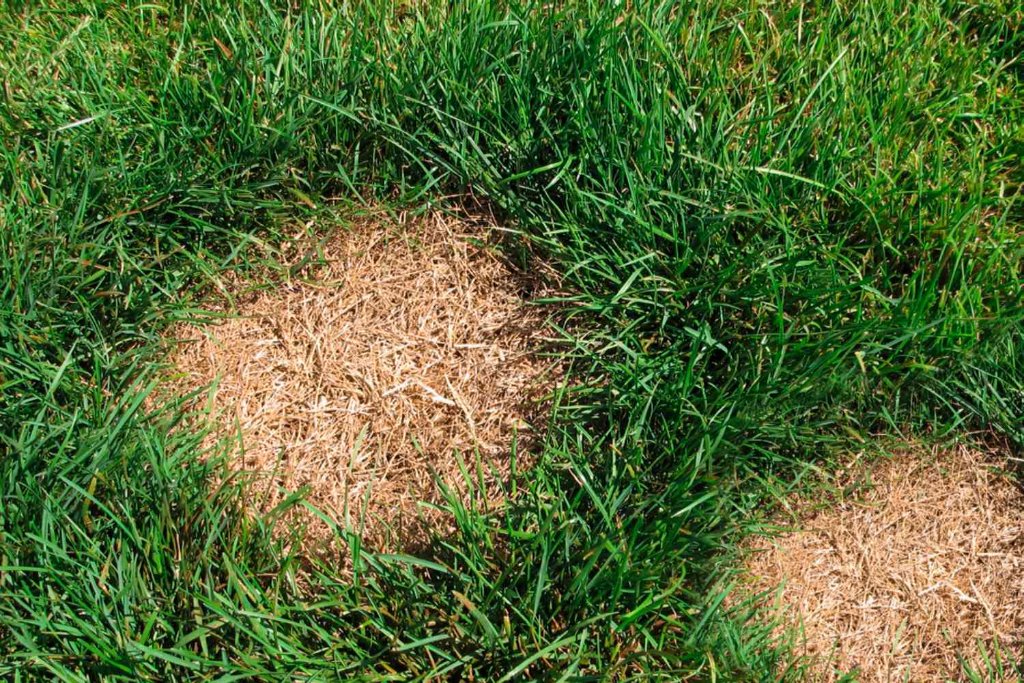
What's causing those brown patches in your lawn? Could be disease, pests, or poor soil. We find out and fix it.
What Causes Brown Spots?
Brown or dead patches in your lawn rarely appear without reason. The cause could be a fungal disease, pest infestation, environmental stress, or soil condition issue. Our certified technicians diagnose the exact problem and recommend targeted solutions to restore your lawn's health and appearance.
Common Causes of Brown Spots in Pennsylvania
Each cause requires a different treatment approach. Misdiagnosis leads to wasted time and money.
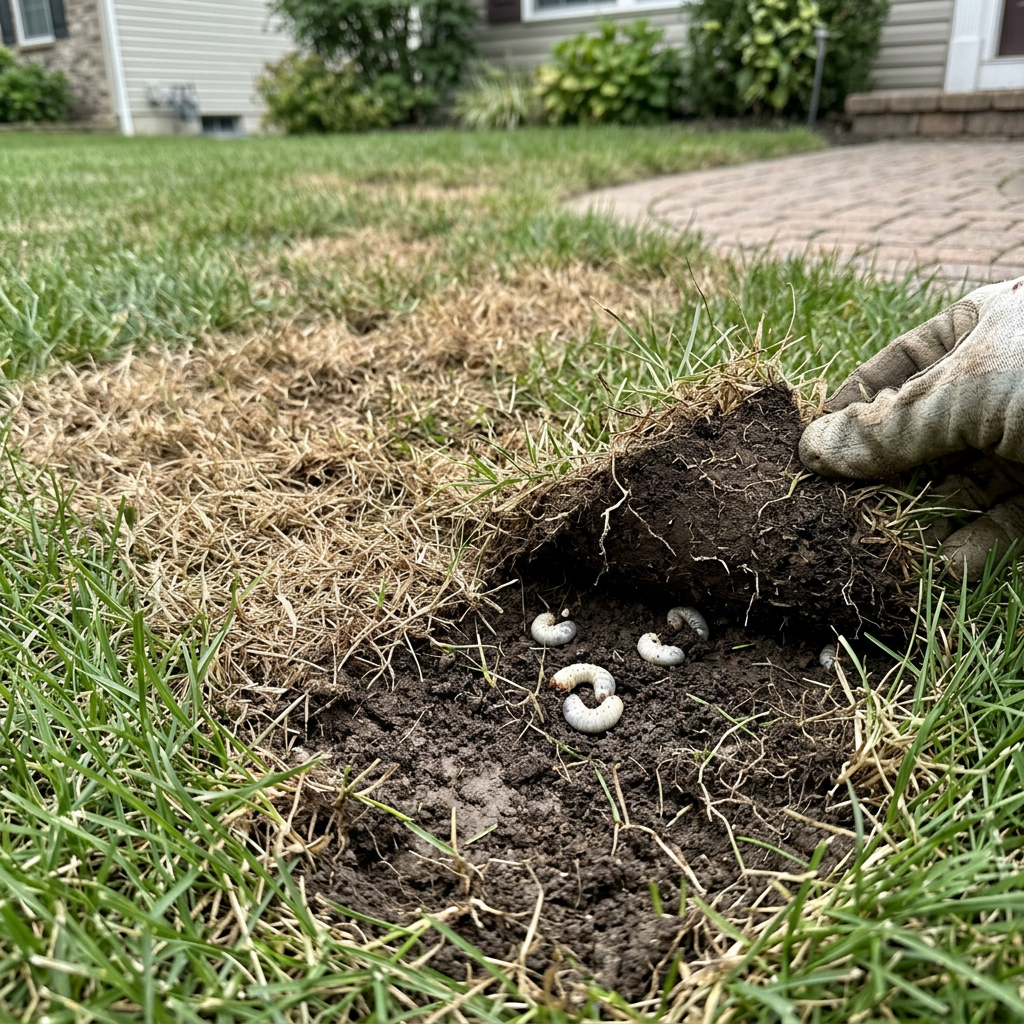
Grub Damage
Late summer – early fall
White grubs feed on grass roots, causing irregular brown patches that pull away easily from the soil beneath.
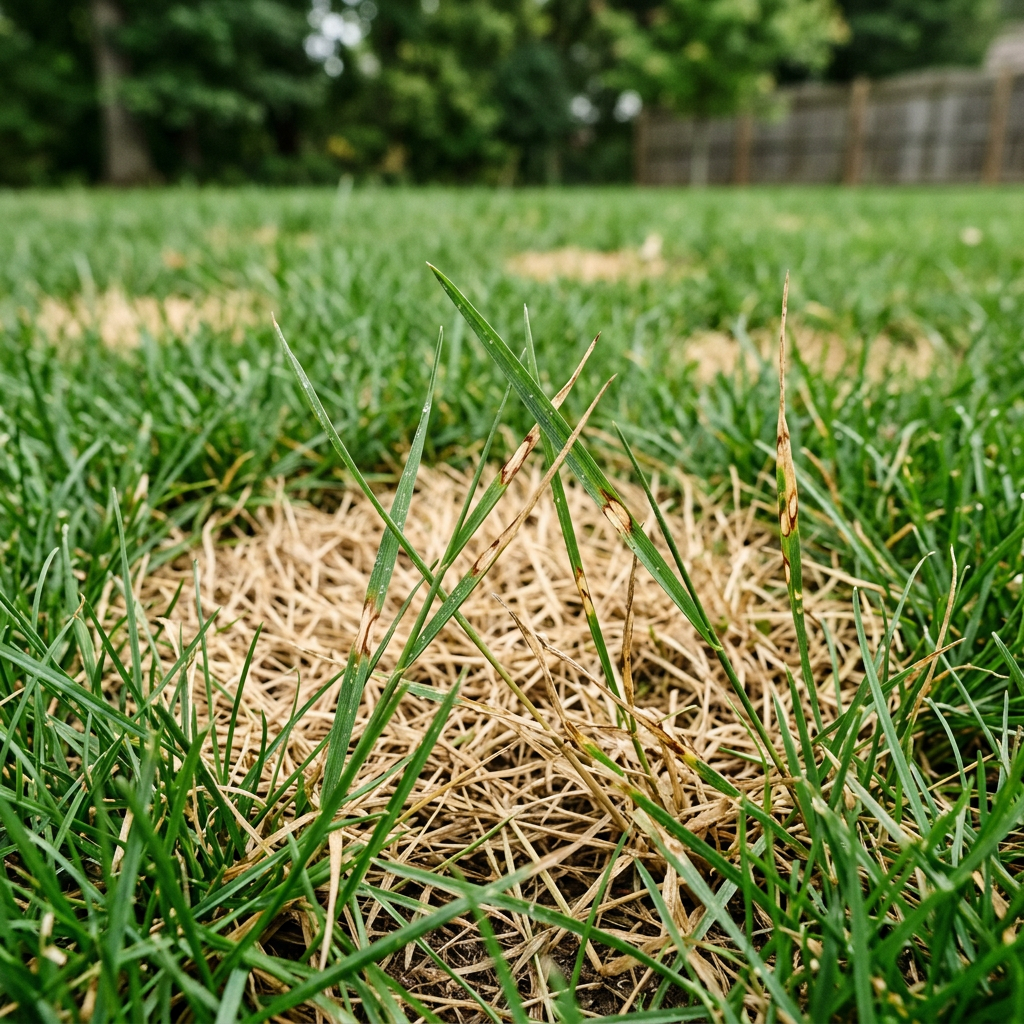
Dollar Spot Disease
Spring & fall
Fungal infection causing circular brown patches with straw-colored centers. Thrives in warm, humid conditions and poorly maintained lawns.
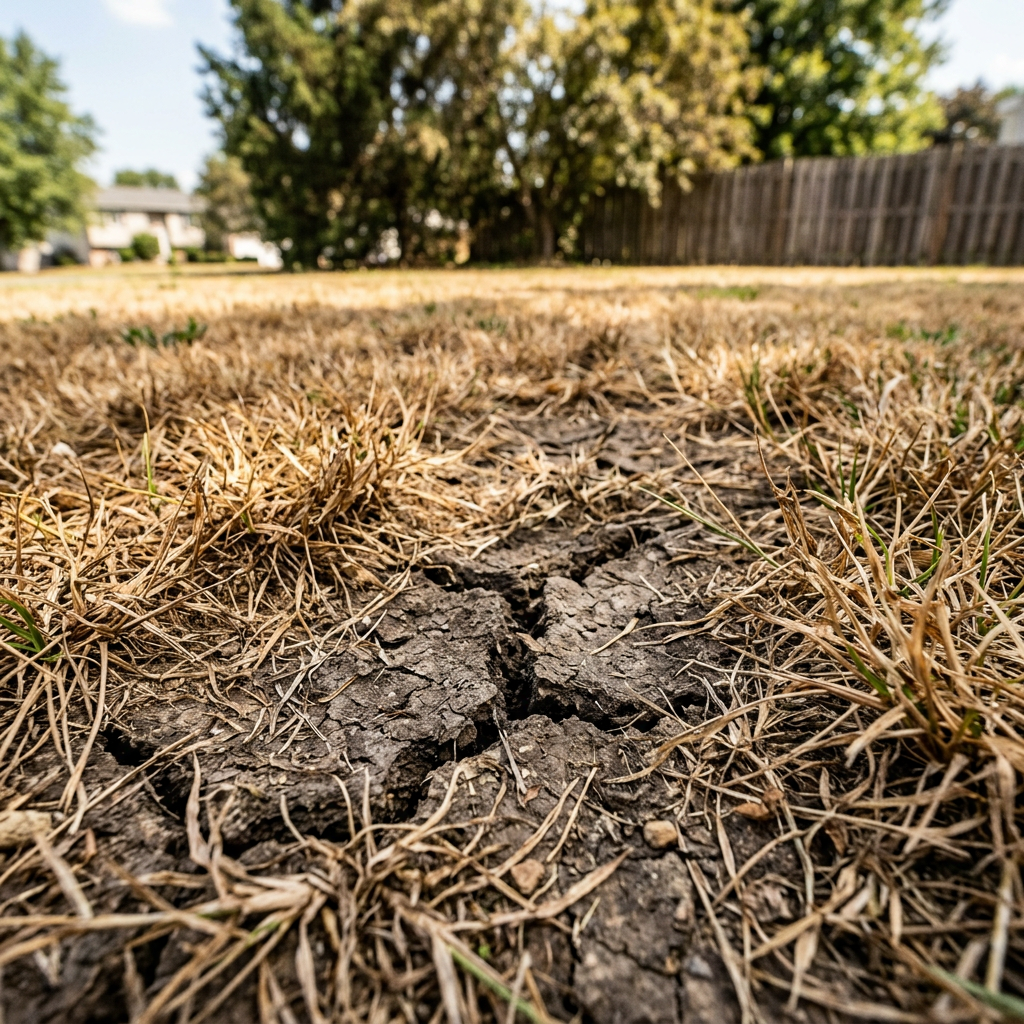
Drought Stress
Summer
Prolonged dry periods without watering cause turf to wilt and brown. More common in compacted or poorly draining soils.
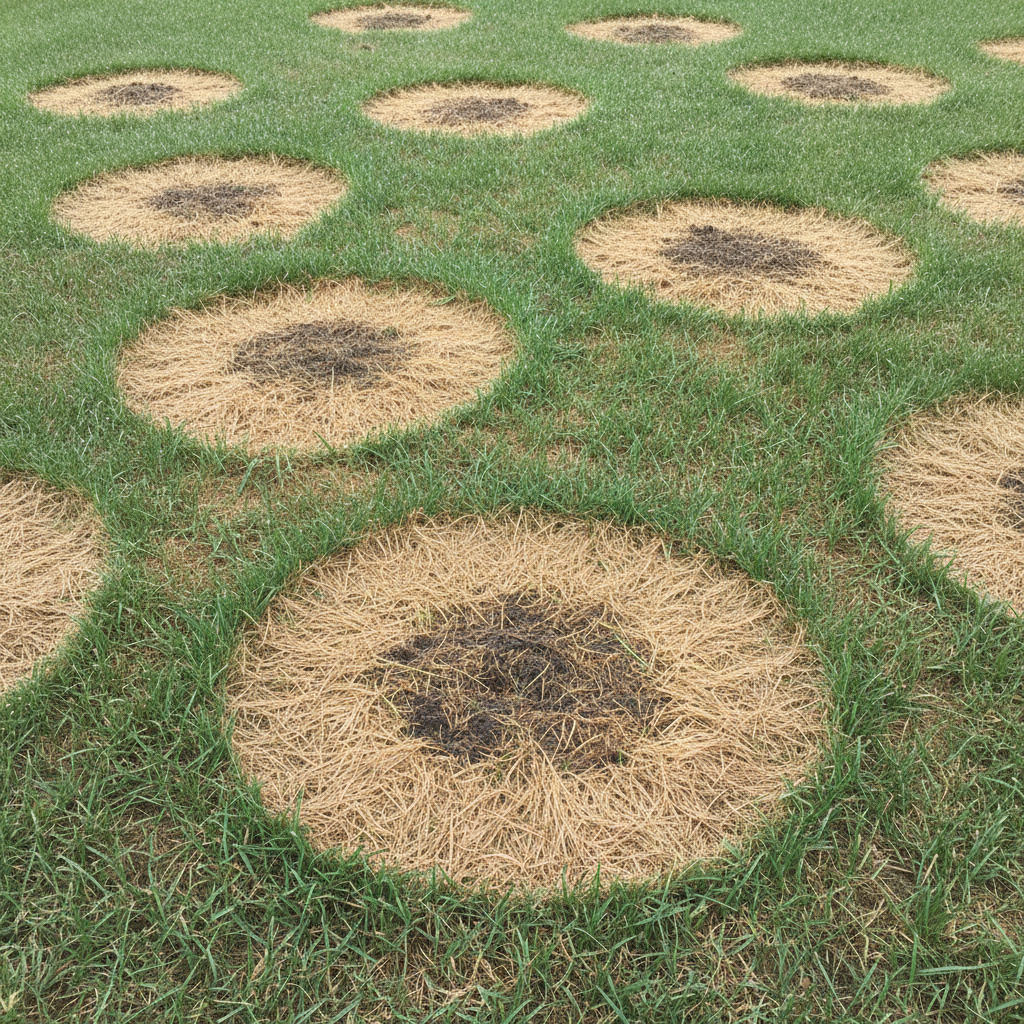
Brown Patch Fungus
Hot, humid summers
Large circular dead areas with a darker outer ring. Spreads rapidly in heat and humidity — one of the most common PA lawn diseases.
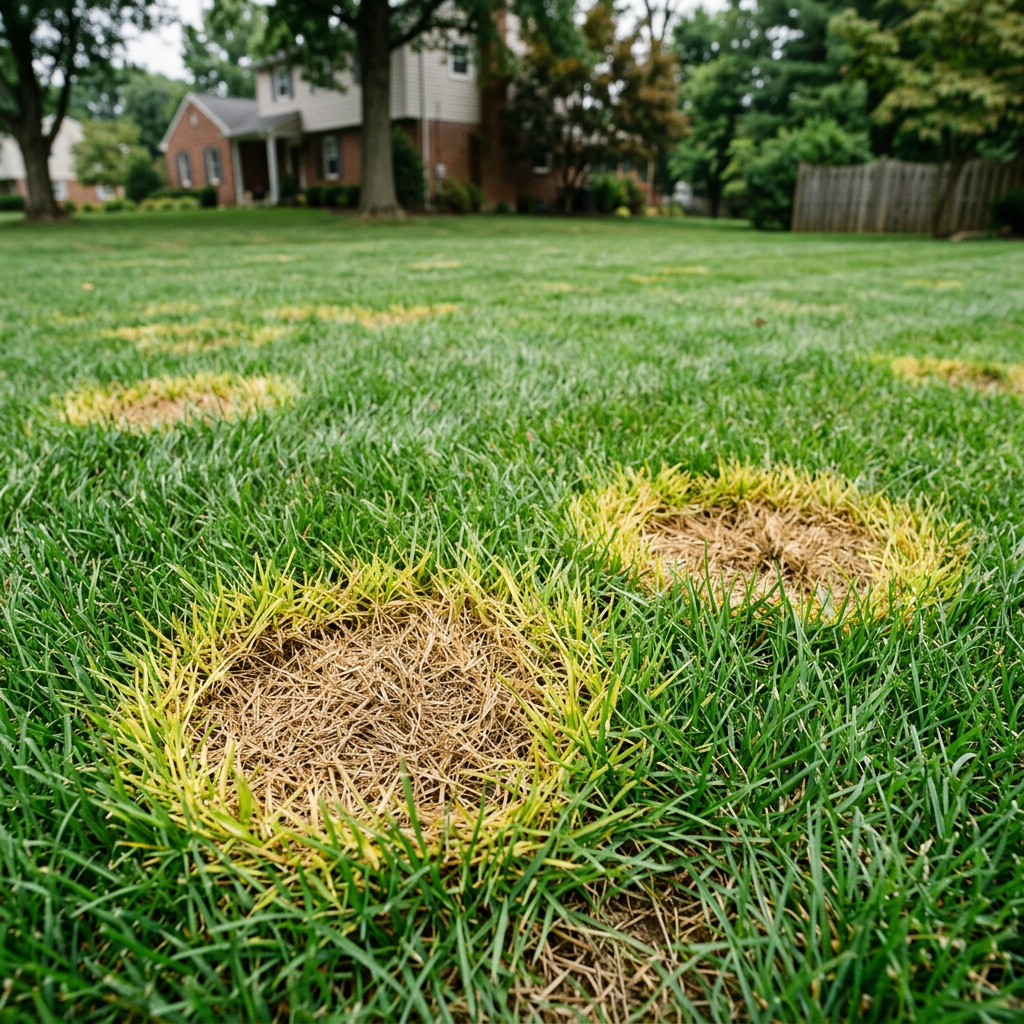
Dog Urine Burn
Year-round
High nitrogen concentration in urine burns grass blades and roots, creating brown rings with green outer edges.
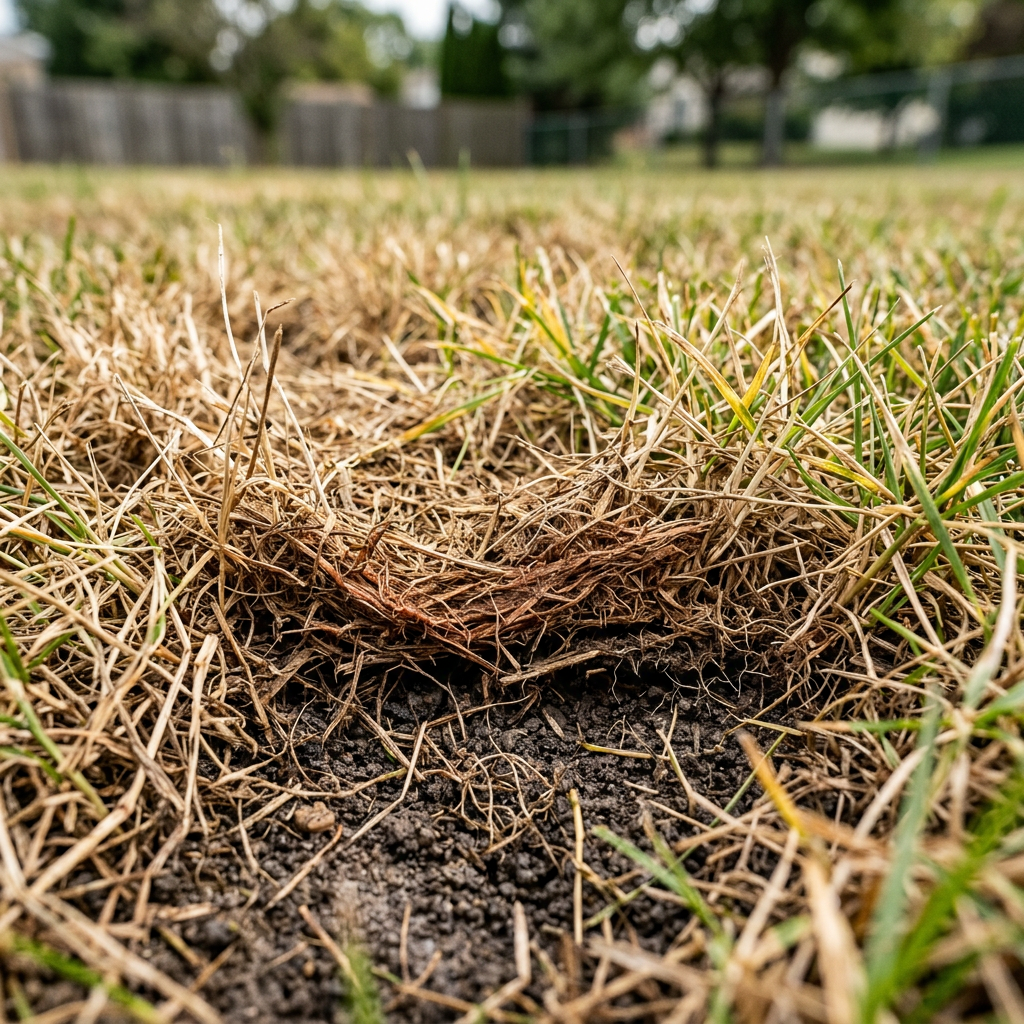
Thatch Buildup
Spring & fall
Dead grass layer blocks water and nutrient penetration, creating bare or dead-looking patches. Aeration relieves this issue.
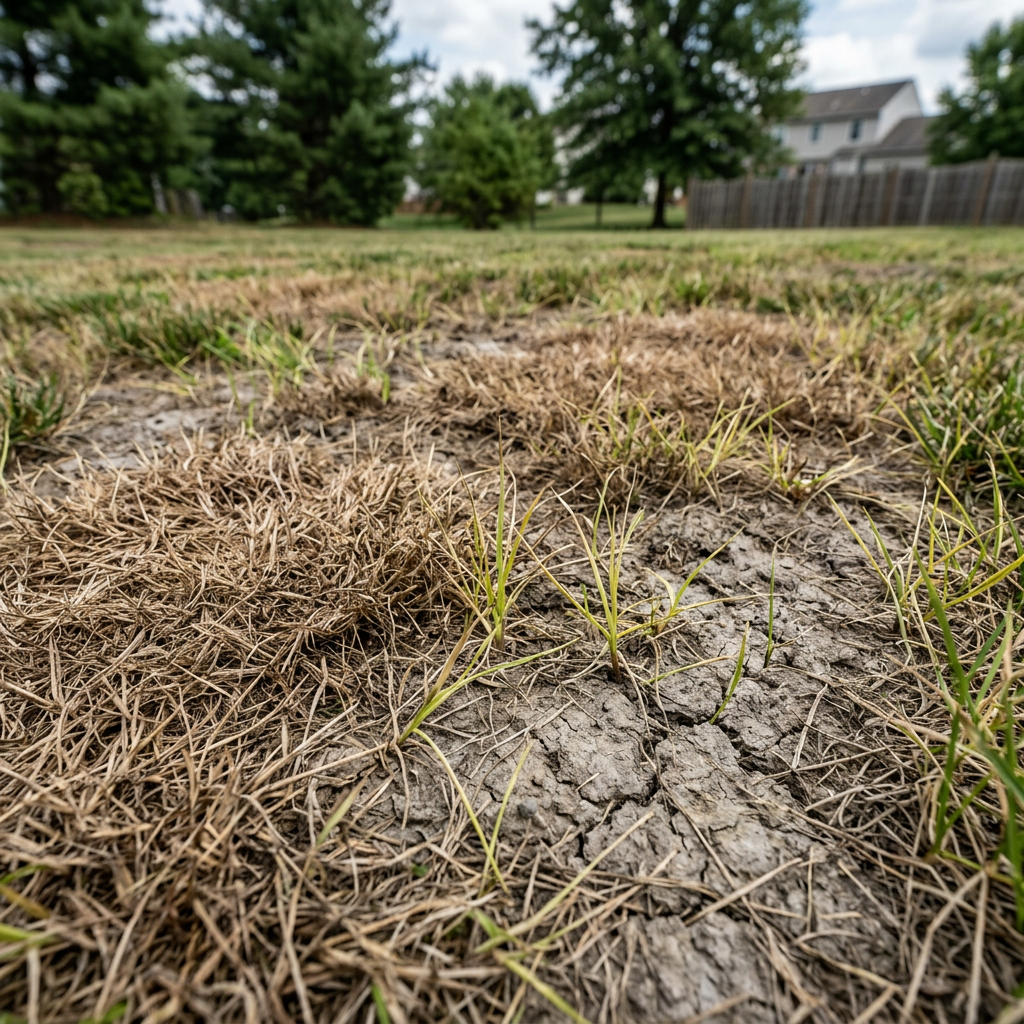
Compacted Soil
Year-round
Heavy foot traffic or poor soil structure restricts root growth and nutrient uptake, causing weak, thin, brown turf.
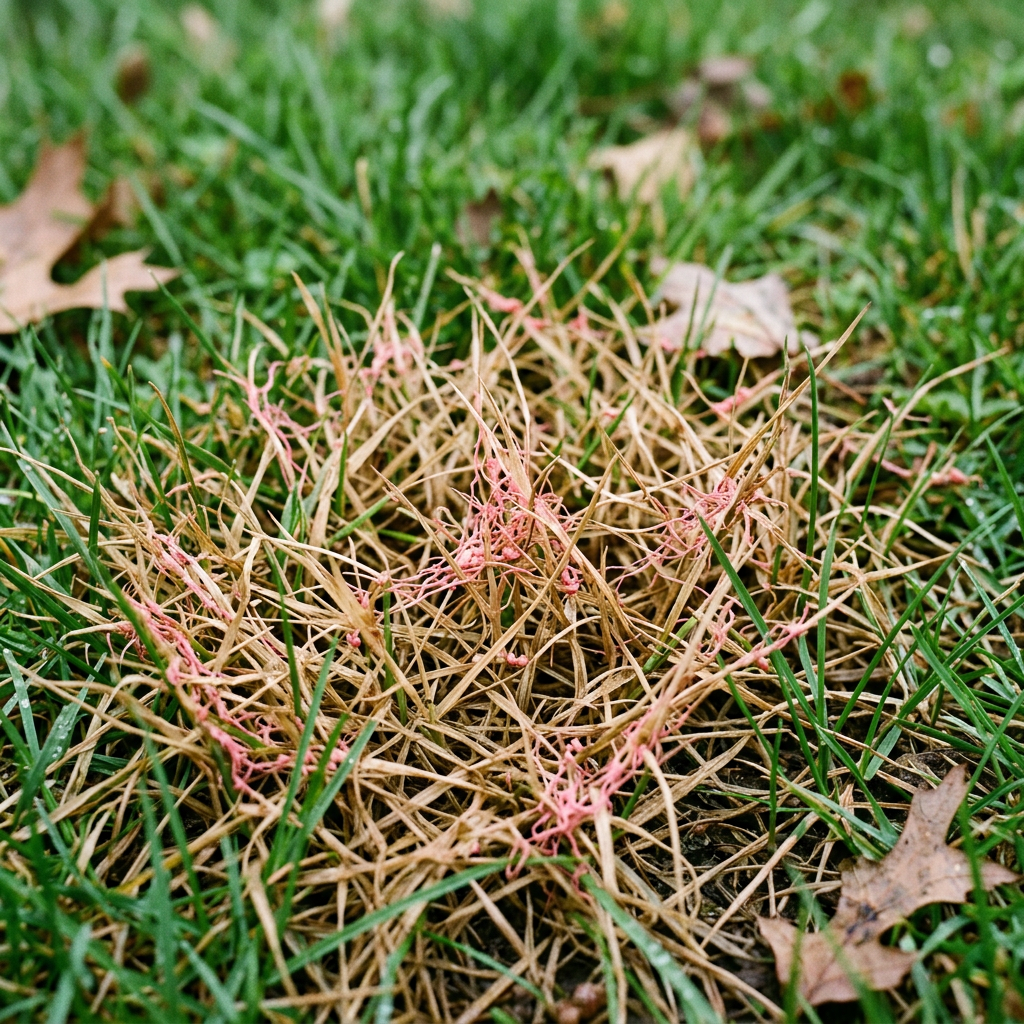
Red Thread Disease
Spring & fall
Pink or red thread-like fungal strands appear on grass blades, causing irregular tan patches. Indicates low nitrogen levels.
Our Treatment Options
Once diagnosed, we apply the right solution to stop the problem and restore your lawn.
Professional Diagnosis
We identify the exact cause by evaluating soil conditions, watering habits, and turf health. Accurate diagnosis is the first step to recovery.
Fungicide Treatment
For fungal diseases, targeted fungicide applications halt the infection and allow new growth to establish.
Aeration & Seeding
Relieves soil compaction, improves drainage, and introduces healthy seed into damaged areas.
Fertilization Program
Customized fertilizer applications restore nutrient levels and promote rapid green-up and recovery.
Grub Control
If grubs are present, preventive or curative treatments eliminate the pest and allow grass to recover.
Watering Recommendations
Proper watering depth and frequency prevent drought stress and fungal issues. We provide guidance tailored to your lawn.
Frequently Asked Questions
Will brown spots go away on their own?
Rarely. Most brown spot causes worsen without treatment. Fungal diseases spread, grubs cause expanding damage, and compaction prevents recovery.
How long does lawn recovery take?
Depending on the cause and severity, recovery typically takes 4–8 weeks with proper treatment and favorable growing conditions.
Can I treat brown spots myself?
DIY treatments often miss the root cause, leading to repeated problems. Professional diagnosis ensures the right solution the first time.
Should I seed over brown spots immediately?
Not until the underlying cause is resolved. We address the problem first, then recommend overseeding when conditions are optimal.
How do you prevent brown spots?
A comprehensive program including proper watering, balanced fertilization, aeration, and disease prevention significantly reduces brown spot risk.
Get Your Lawn Restored
Schedule a free diagnosis and receive a customized treatment plan.
Get Your Free Estimate